
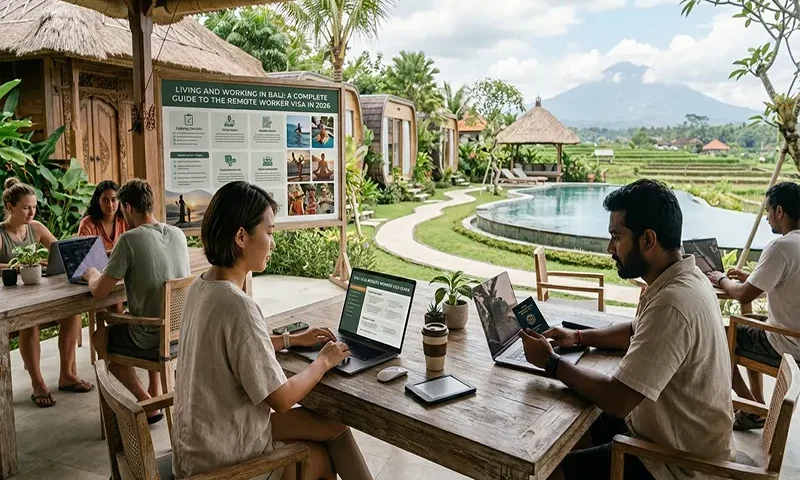
Bali has matured from a backpacker’s paradise into a sophisticated, global hub for the modern remote professional. In 2026, the island offers more than just surf and sunsets; it provides a robust digital infrastructure, a vibrant community of entrepreneurs, and—most importantly—clearer legal pathways for those looking to call the “Island of the Gods” their base of operations.
If you are considering making the move, the shift from “tourist” to “resident” requires a clear strategy. Here is how to navigate the 2026 landscape of remote work in Bali.
Decoding the Remote Worker Visa
The days of relying on “visa runs” are effectively over for the serious professional. Today, Indonesia’s immigration framework offers more formal structures, such as the E33G Temporary Stay Visa (ITAS), specifically designed for those working remotely for companies based outside of Indonesia.
- The Requirements: Generally, these visas require proof of a stable remote income (often exceeding a specific monthly threshold), a valid employment contract from an overseas entity, and comprehensive health insurance coverage.
- The Advantage: Holding a formal residency permit (KITAS) provides stability. It allows you to enter and exit the country without the anxiety of tourist visa limitations, facilitates opening local bank accounts, and allows you to sign long-term residential leases with confidence.
- Disclaimer: Immigration policies are dynamic. Always verify the latest requirements on the official Indonesian immigration portal and consult with a reputable local visa agent to ensure compliance with current regulations.
Infrastructure & Connectivity
In 2026, Bali’s digital infrastructure is no longer an “if.” It is a baseline expectation.
- Speed & Reliability: Fiber-optic internet is standard in most urban hubs. However, for those in high-stakes roles, professional coworking spaces are essential. These hubs—located prominently in Canggu, Ubud, and Pererenan—now provide dedicated high-speed lines, ergonomic furniture, and, crucially, backup power generators to mitigate any island-wide electricity fluctuations.
- Coworking Culture: Spaces today offer more than just Wi-Fi; they are centers for professional growth, hosting workshops, incubator programs, and industry-specific networking events.
Finding Your ‘Base’: Choosing a Neighborhood
Your experience of Bali will be dictated by where you hang your hat.
- Canggu/Pererenan: The epicenter of the nomad community. It is fast-paced, high-energy, and packed with amenities. Ideal for those who thrive on networking and immediate beach access.
- Ubud: The island’s cultural and spiritual heart. The work-life balance here leans toward mindfulness, yoga, and jungle views. It is the choice for those who value quiet, focus, and a slower pace.
- Sanur: The “grown-up” side of Bali. With its long, calm coastline and pedestrian-friendly streets, it is increasingly popular with professionals looking for a calmer environment that remains well-connected.
Community, Integration, and Etiquette
The most successful remote workers in Bali are those who integrate rather than insulate.
- Meaningful Networking: Avoid the “nomad bubble.” Engage with local Indonesian entrepreneurs, attend professional seminars, and contribute to the local economy.
- Cultural Respect: You are a guest. Learn basic Indonesian (Bahasa Indonesia), respect religious protocols (such as Nyepi—the Day of Silence), and always dress modestly when visiting temples or rural areas.
- Sustainability: Bali is currently grappling with environmental challenges. As a resident, adopt a “leave-no-trace” mentality. Use reusable water bottles, minimize single-use plastics, and support local businesses that practice ethical waste management.
Cost of Living & Banking
The “cheap Bali” myth is largely a thing of the past for a comfortable, professional lifestyle. A mid-to-high-end budget in 2026 should account for:
- Professional Leasing: Renting a modern villa or apartment with premium amenities.
- Services: Taxes, high-tier health insurance, and local transport (scooter or car service).
- Banking: Relying solely on your home-country bank can lead to high fees. Establish a reliable international digital banking solution that handles multi-currency accounts to manage your income and expenses efficiently.
The New Professionalism
Moving to Bali to work remotely is a significant life transition that requires moving beyond the “digital nomad hype.” In 2026, it is about stability, legal compliance, and community contribution.
If you approach your move with professional rigor and a deep respect for the Balinese culture, you will find that the island offers more than just a change of scenery—it provides a lifestyle that integrates professional ambition with a profound sense of well-being. Bali is no longer just a place to escape; for the prepared professional, it is a place to build.

