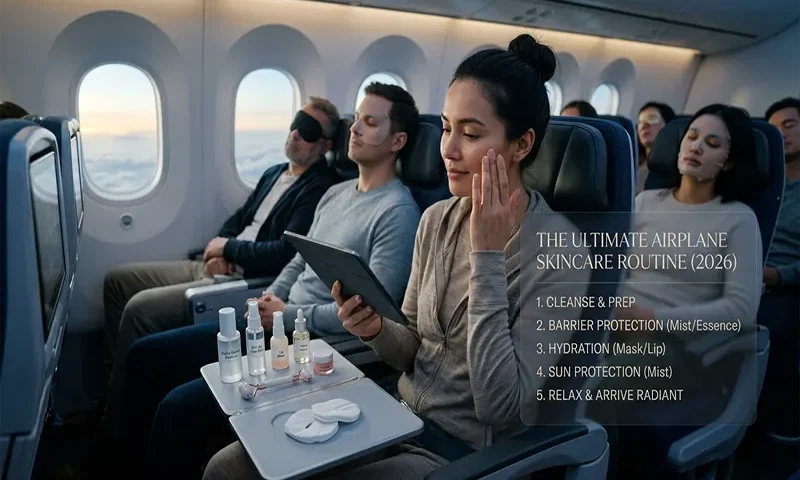
The Ultimate Airplane Skincare Routine: How to Protect Your Barrier and Arrive Radiant in 2026

If you’ve ever stepped off a long-haul flight feeling tight, dull, and profoundly dehydrated, you’ve experienced the “cabin vacuum.” Aircraft cabins are notoriously arid, often featuring humidity levels lower than 20%—drier than most deserts. This environment actively pulls moisture from your skin through transepidermal water loss (TEWL), leaving your complexion compromised.

In 2026, the gold standard for in-flight beauty has shifted away from superficial quick fixes toward barrier-first protection. Achieving a post-flight glow isn’t about applying ten different products mid-air; it’s about strategic layering that reinforces your skin’s natural defenses.

The Pre-Flight Preparation (48 Hours Before)

Your flight-day success is determined by the work you put in before you reach the gate.

  • The Clean Slate: Board with a freshly cleansed face. Removing makeup and environmental pollutants allows your skin to breathe and better absorb your protective layers.
  • Avoid “Actives”: Stop using retinoids, AHAs, or BHAs at least 48 hours
READ MORE ...
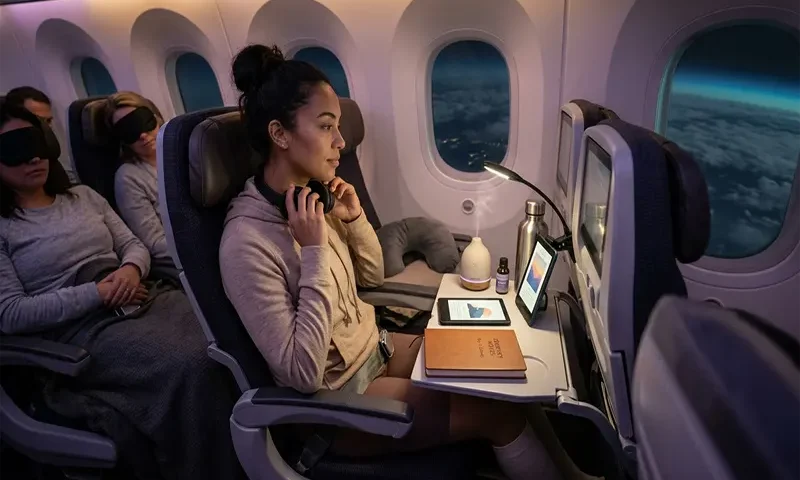
The Solo Traveler’s Survival Kit: How to Manage Anxiety on a 15-Hour Flight

For many solo travelers, the prospect of a 15-hour flight is not an adventure—it’s an endurance test. If you experience flight-related anxiety, the cabin can feel like an isolating, high-stakes environment where every bump in the air feels magnified. However, the secret to surviving these long hauls isn’t about “getting through” the time; it’s about reclaiming your agency. By viewing the flight as a curated space for self-care rather than a period of forced confinement, you can lower your nervous system’s baseline stress and arrive at your destination feeling empowered.

The ‘Pre-Flight Foundation’

Anxiety management doesn’t begin at 30,000 feet; it starts with the environment you create before you board.

  • The Comfort Ritual: Build a “calm-down kit.” This should include sensory anchors: a vial of lavender or eucalyptus essential oil (scent is a direct bypass to the brain’s emotional center), a favorite tactile fidget tool, and familiar, “safe” snacks.
  • Strategic
READ MORE ...
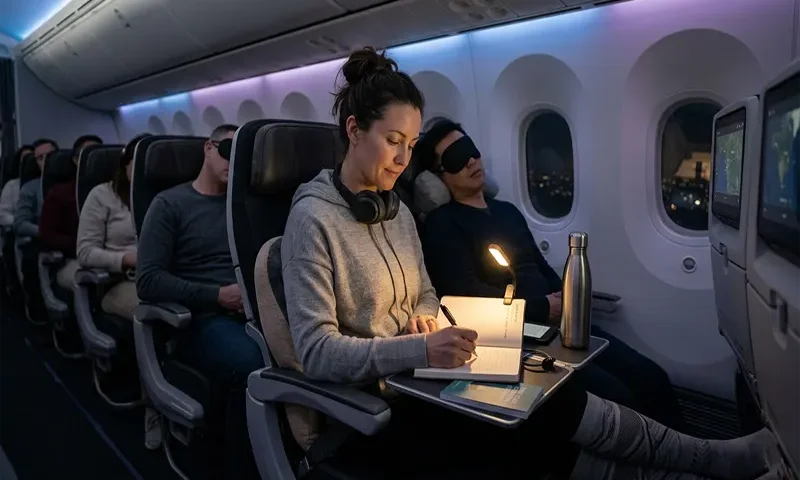
The Art of Resting: What to Do on an Overnight Flight When You Can’t Sleep

There is perhaps no more frustrating experience for the modern traveler than the “wide-awake” overnight flight. You board the aircraft with every intention of falling into a deep, restorative slumber, only to find yourself staring at the back of the seat in front of you as the hours tick away. The cabin is dark, your neighbors are snoring, and the anxiety of the upcoming day creates a mental loop that makes sleep feel impossible.

In 2026, the key to surviving these flights isn’t just about forcing sleep—it’s about mastering the art of “deep rest.” By shifting your perspective from “I must sleep” to “I will prioritize nervous-system recovery,” you can transform a period of frustrating insomnia into a surprisingly restorative interlude.

Creating the ‘Rest Cocoon’

When the body feels exposed, it remains on high alert. To rest, you must first signal safety to your nervous system.

  • Sensory Deprivation: Invest in
READ MORE ...
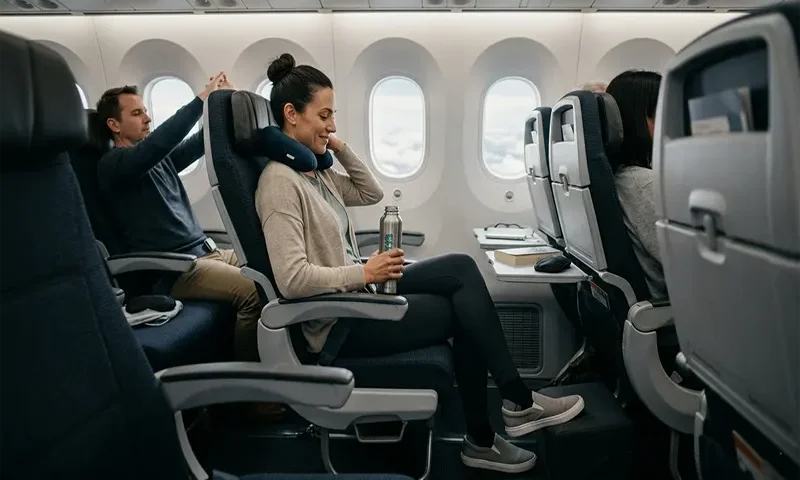
How to Avoid Stiff Joints and Bloating During Long Flights

For the frequent traveler, the long-haul flight is often an exercise in physiological endurance. Between the drop in cabin pressure, the lack of mobility, and the exceptionally dry air, your body undergoes significant stress. The result is a common “traveler’s fatigue”: painful, stiff joints and an uncomfortable, bloated midsection.

However, by understanding the mechanics behind these symptoms and implementing a few strategic habits, you can arrive at your destination feeling refreshed rather than depleted.

The Physiology of Flight Discomfort

When you fly, your body deals with three primary environmental stressors:

  • Reduced Cabin Pressure: As the plane reaches cruising altitude, cabin pressure drops. This causes gases trapped in your digestive tract and tissues to expand, leading to the sensation of bloating.
  • Low Humidity: Airplane cabins typically have humidity levels below 20%, which is drier than a desert. This rapid dehydration impacts your joints; cartilage relies on high water content to remain
READ MORE ...
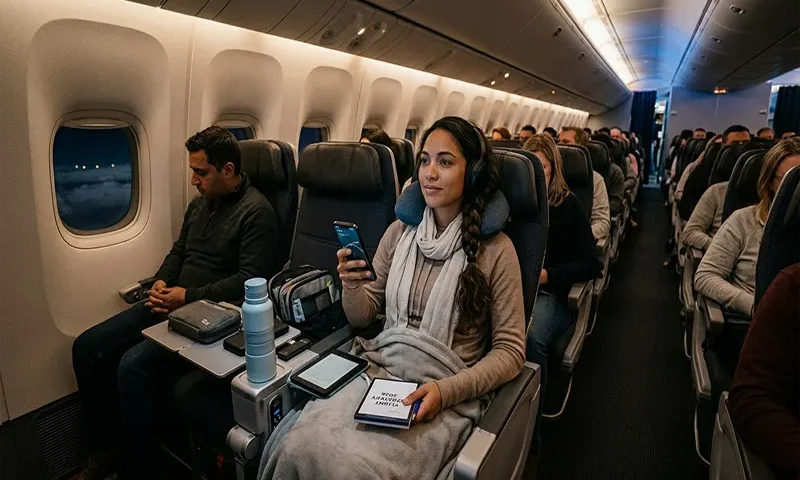
The Art of the Long-Haul: Mastering Economy Class Comfort in 2026

Long-haul travel is, by its very nature, an endurance test. In 2026, as flight paths grow longer and airlines push the boundaries of ultra-long-haul routes, the economy class experience can either be a exhausting blur or a surprisingly manageable part of your journey. The secret isn’t a miraculous upgrade to business class; it is the art of strategic, intentional preparation. By transforming your carry-on into a curated survival kit and mastering the logistics of cabin life, you can arrive at your destination refreshed rather than depleted.

The Pre-Flight Strategy: Setting the Stage

True comfort begins hours, or even days, before you reach the airport. The physical environment of the plane—recirculated air, limited space, and high-altitude pressure—requires you to proactively manage your physiology.

Smart Seat Selection

Never accept a random assignment. Use tools like SeatGuru or Aerolopa to analyze the specific configuration of your aircraft. While the aisle seat offers the … READ MORE ...