
Key Takeaways:
- Setting up a trading business in a Dubai Free Zone offers 100% foreign ownership, zero corporate and personal income taxes, and simplified customs procedures.
- Careful selection of a Free Zone is crucial, aligning its offerings with your specific trading activities and budget.
- The process involves defining your business activity, choosing a legal structure, preparing required documents, and applying for a license.
- Securing appropriate office space and processing employee visas are subsequent steps after license issuance.
- Dubai South Business Hub provides strategic advantages for trading due to its logistics infrastructure and access to major markets.
Understanding Dubai Free Zones for Trading
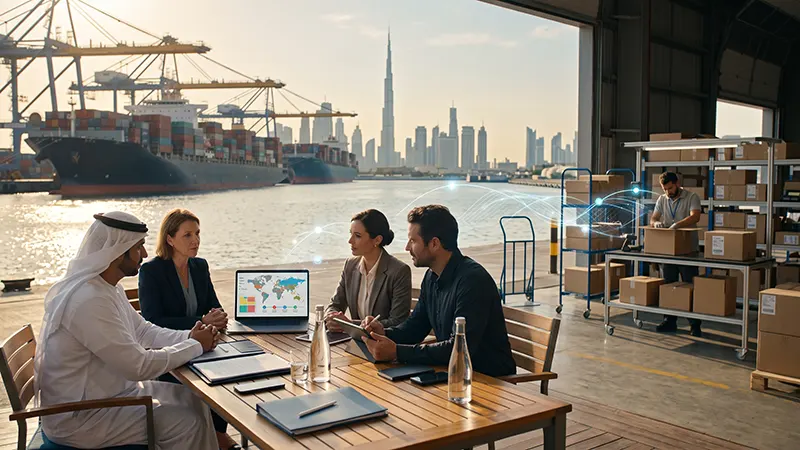
Dubai has established itself as a global trading hub, largely owing to its strategically located Free Zones. These special economic areas are designed to attract foreign investment by offering compelling incentives for businesses, particularly those engaged in trading activities. Benefits include complete foreign ownership of companies, which is a significant advantage over mainland setups where local sponsorship might be required for some activities. Free Zones provide a tax-efficient environment with zero corporate tax and personal income tax, along with exemptions from customs duties on imports and exports within the Free Zone or for re-export. This financial framework makes them highly attractive for trading companies looking to maximize profit margins and streamline international operations. The ease of capital repatriation and currency exchange further solidifies Dubai’s position as a prime location for international traders. When you Setup Business in Dubai Free Zone for trading, you gain access to a world-class infrastructure and a supportive ecosystem designed for commercial success.
Selecting the Right Free Zone for Your Trading Venture
Choosing the appropriate Free Zone is a pivotal decision for any trading business. Dubai hosts numerous Free Zones, each with its own unique advantages, specializations, and cost structures. For trading, popular options include Jebel Ali Free Zone (JAFZA), known for its extensive logistics and warehousing facilities ideal for large-scale import/export operations. Dubai Multi Commodities Centre (DMCC) is excellent for trading specific commodities like gold, diamonds, and agricultural products. Other Free Zones like International Free Zone Authority (IFZA), Meydan Free Zone, and RAKEZ (Ras Al Khaimah Economic Zone) offer competitive pricing and flexible office solutions that can suit various budgets and business scales. When making your selection, evaluate factors such as the Free Zone’s proximity to ports or airports, the availability and cost of office spaces or warehouses, the range of permitted trading activities, and the number of visas allocated per office type. Aligning the Free Zone’s offerings with your specific product lines, target markets, and operational needs is key to a smooth and cost-effective setup.
Defining Your Trading Activity and Legal Structure
Before initiating the registration process, clearly define your exact trading activities. This involves specifying the types of goods you intend to trade – whether it’s general trading, electronics, textiles, food products, machinery, or specific commodities. Each Free Zone has a list of permissible activities, and ensuring your intended operations fall within these guidelines is crucial. Some Free Zones may require specific approvals for certain types of trading goods. Alongside activity definition, you must choose a suitable legal structure for your company. The most common options are a Free Zone Establishment (FZE) for a single shareholder, a Free Zone Company (FZCO) for multiple shareholders, or a Branch of a foreign company if you already have an existing entity outside the UAE. The choice of legal structure impacts requirements for share capital, directorships, and administrative processes. Careful planning at this stage prevents potential delays and ensures compliance with Free Zone regulations.
Required Documentation for Business Registration
Preparing the correct documentation is a critical step to Setup Business in Dubai Free Zone. While specific requirements can vary slightly between Free Zones and legal structures, a general list includes: copies of all shareholders’ and directors’ passports, proof of address for all individuals involved, and CVs. If an individual holds an existing UAE residency visa, a No Objection Certificate (NOC) from their current sponsor might be required. For corporate shareholders, attested company documents such as the Certificate of Incorporation, Memorandum and Articles of Association, and a Board Resolution are necessary. A detailed business plan might also be requested, especially for more complex trading activities or larger setups. Furthermore, banks often require a bank reference letter for each shareholder to facilitate account opening later on. Ensuring all documents are accurately prepared, translated (if necessary), and attested as per Free Zone guidelines will significantly expedite the application process.
The Business Setup Application and Licensing Process
Once your activity and legal structure are decided, and documents are prepared, the formal application process begins. This typically involves several stages. First, you submit your company name for approval to ensure it’s available and meets naming conventions. Following name approval, you will submit your application form along with all supporting documents to the chosen Free Zone authority. The Free Zone will then review your application, often requesting additional information or clarification. Upon receiving initial approval, you will proceed to make the necessary payments for your business license and registration fees. After payment and final checks, your trading license will be issued. This license is your official authorization to conduct trading activities within the specified Free Zone. The entire process, from initial application to license issuance, can range from a few days to several weeks, depending on the Free Zone, the completeness of your documents, and the complexity of your business.
Securing Your Premises and Employee Visas
With your trading license in hand, the next vital steps involve securing your business premises and processing visas for employees. Free Zones offer various office solutions, from flexi-desks and shared offices to dedicated executive offices and larger custom-built warehouses. The type and size of your chosen premises directly impact the number of employee visas your company is eligible for. Once your office space is confirmed and leased, you can apply for an establishment card, which is essential for processing employee visas. The visa application process for employees typically involves obtaining an entry permit, undergoing a medical fitness test, applying for an Emirates ID, and finally having the visa stamped in their passport. Dependent visas for spouses and children can also be processed once the primary employee’s visa is issued. This stage is crucial for building your team and establishing a physical presence for your trading operations.
Post-Licensing Compliance and Operations
After obtaining your license and setting up your premises, ongoing compliance and operational aspects become central. Annual renewal of your trading license is mandatory, and you must ensure all required documents remain up-to-date. Some Free Zones may also require the submission of audited financial statements annually. For trading companies, customs registration with Dubai Customs might be necessary, depending on the nature and volume of your imports and exports, especially if goods leave the Free Zone for mainland distribution. Additionally, it is important to understand the UAE’s Value Added Tax (VAT) regulations. If your taxable supplies and imports exceed the mandatory registration threshold, your trading company will need to register for VAT and comply with filing requirements. Opening a corporate bank account is another critical step, and while some banks may have stringent requirements, having all company documents in order will help streamline this process. Adhering to these ongoing requirements ensures your trading business operates smoothly and remains in good standing with the Free Zone authorities and the wider regulatory framework of the UAE.
The Dubai South Business Hub stands out as a premier destination for trading businesses. Strategically positioned next to Al Maktoum International Airport and with direct access to Jebel Ali Port, it offers unparalleled logistics capabilities. Businesses operating within Dubai South Business Hub benefit from a highly integrated ecosystem, including advanced warehousing solutions, freight forwarding services, and efficient customs clearance. Its proximity to major transportation networks makes it exceptionally well-suited for international trading, facilitating seamless import, export, and re-export operations. The hub’s focus on aviation, logistics, and e-commerce provides a robust infrastructure and supportive environment for trading companies seeking to optimize supply chains and reach global markets effectively.

